
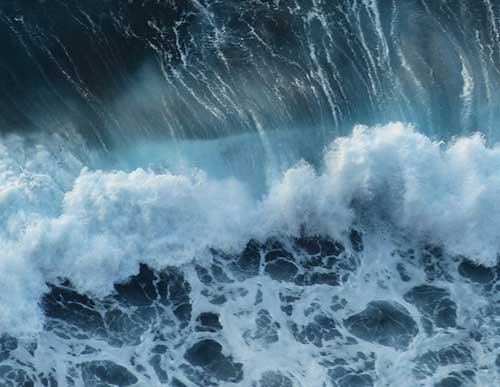
Nature Photography Techniques
Dolore magna aliqua. Quis ipsum suspendisse ultrices gravida. Risus commodo viverra maecenas accumsan lacus vel facilisis.
Connecting with the Natural World
Nature photography offers endless opportunities for creative expression. From majestic landscapes to intimate macro shots, the natural world provides infinite inspiration for photographers.
Understanding Natural Light
Light is the most important element in nature photography:
Golden Hour
The hour after sunrise and before sunset provides warm, directional light that creates long shadows and rich colors.
Blue Hour
The period before sunrise and after sunset offers cool, blue tones and unique lighting conditions.
Harsh Midday Light
While challenging, midday light can create dramatic images with high contrast and deep shadows.
Landscape Composition
Master these techniques for compelling landscape images:
- Foreground Interest: Include interesting elements in the foreground
- Leading Lines: Use roads, rivers, or fences to guide the eye
- Rule of Thirds: Divide the frame for balanced composition
- Framing: Use natural elements to frame your subject
Weather and Mood
Different weather conditions create different moods:
- Sunny Days: Bright, vibrant, high-contrast images
- Overcast Days: Soft, diffused light, subtle colors
- Stormy Weather: Dramatic, moody, high-energy shots
- Fog and Mist: Ethereal, mysterious, simplified compositions
Gear for Nature Photography
Essential equipment for outdoor shooting:
- Wide-Angle Lenses: Capture expansive scenes
- Telephoto Lenses: Reach distant subjects
- Tripods: Stability for long exposures
- Filters: Polarizing and neutral density filters
- Weather Protection: Rain covers and weather-sealed gear
Wildlife Photography Ethics
Responsible wildlife photography practices:
- Distance: Maintain safe distances from animals
- Habitat Protection: Don't disturb natural habitats
- Patience: Wait for natural behavior rather than baiting
- Conservation: Support wildlife conservation efforts
Macro Photography
Capturing the miniature world:
- Macro Lenses: Dedicated macro optics
- Extension Tubes: Affordable macro capability
- Reversing Rings: Creative macro techniques
- Focus Stacking: Extended depth of field
Long Exposure Techniques
Create artistic effects with slow shutter speeds:
- Water Movement: Smooth flowing water
- Light Trails: Moving vehicles at night
- Star Trails: Celestial movement
- Neutral Density Filters: Daytime long exposures
Post-Processing Nature Images
Enhance your nature photographs:
- Dodge and Burn: Selective light adjustments
- Color Grading: Enhance natural colors
- Noise Reduction: Clean up high-ISO images
- Sharpening: Enhance detail and texture
Planning Nature Shoots
Preparation leads to better results:
- Location Research: Scout locations in advance
- Weather Monitoring: Check forecasts and conditions
- Tide Charts: For coastal photography
- Permits: Check access requirements
Safety Considerations
Nature photography can be dangerous:
- Weather Awareness: Monitor changing conditions
- Navigation: Carry maps and GPS devices
- Emergency Kit: First aid and communication equipment
- Travel Light: Don't overload yourself with gear
Nature photography teaches patience, perseverance, and appreciation for the natural world. It reminds us of our connection to the environment and the importance of preserving it for future generations.